Most adults walk through life assuming they should naturally know how they feel at any given moment. It's treated as a basic life skill, something we're all expected to do instinctively. Yet the reality is that a large percentage of adults struggle to identify, differentiate, and articulate their emotions. This difficulty — sometimes referred to as low emotional granularity — is far more common than people realize, and it has real implications for mental and physical health.
Naming emotions is harder than it sounds. Many people grew up in environments where emotional expression was discouraged, minimized, or dismissed. They were taught to push down discomfort, quiet their reactions, or adapt quickly to the emotional climates around them. Instead of learning to recognize emotions, they learned to override them. As adults, they carry the remnants of that training without realizing it.
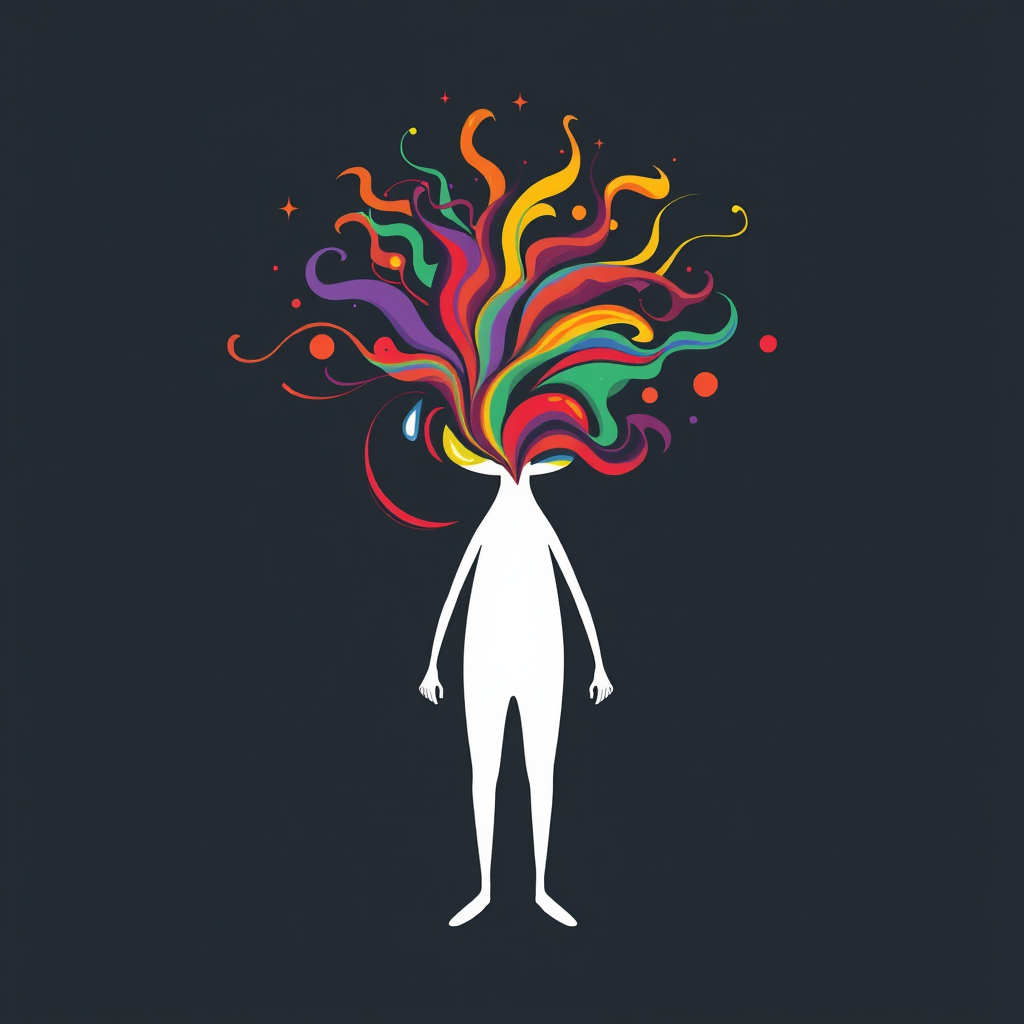
Compounding this is the pace and structure of modern life, which disconnects people from the bodily sensations that serve as the starting point for emotional awareness. Feelings begin in the body long before they become thoughts. But when we rush through days packed with tasks, deadlines, screen time, and constant stimulation, those internal cues are easy to miss or misinterpret. Stress further complicates things by scrambling internal signals, making everything feel like either anxiety, overwhelm, or nothing at all.
Emotional vocabulary also plays a crucial role. The brain relies on language to categorize internal states. If someone has only a handful of emotional words like "stressed," "tired," "fine," or "anxious," their self-awareness will naturally be limited. Without a nuanced vocabulary, the nervous system's signals are harder to interpret. People often assume this makes them emotionally unintelligent, but the truth is that emotional language is learned, not innate.
The consequences of low emotional granularity show up subtly but consistently. Adults may notice themselves reacting intensely without understanding why, feeling "off" without knowing what they need, struggling to communicate needs in relationships, or choosing coping strategies that don't actually help. They may experience physical symptoms like tension, digestive discomfort, or headaches without connecting them to unrecognized emotional states. Many feel as though their emotions hit them "all at once" or "too late," long after the initial cues have passed.
Research shows that naming emotions has a powerful regulatory effect on the brain. Simply attempting to label a feeling reduces emotional intensity and supports better decision-making. But this skill requires practice, structure, and exposure rather than guesswork. Telling someone to "just name your feelings" is like telling someone to "just speak a language you were never taught."
Adults build emotional clarity through small, repeated experiences of identifying internal states, noticing bodily sensations, experimenting with language, and reflecting without pressure. Emotional literacy develops in environments where exploration is guided and the stakes are low. It doesn't come from forcing yourself to introspect more deeply or produce well-written reflections.
One of the most harmful myths is the belief that emotional clarity is something we're all supposed to just "know" how to do. Most people were given no tools, no terminology, and no models. They were handed responsibilities — communicate well, regulate stress, manage conflict, understand needs — without ever being shown the underlying mechanics.
Emotional granularity isn't a personality trait. It's a practice. It expands with support, curiosity, and structure. If you struggle to name your feelings, it isn't a sign of emotional deficiency. It's evidence that you're human — and that you deserve better tools than the ones you were given.


