Something significant is shifting in the mental health landscape. Nearly 50% of people in the U.S. have tried AI for psychological support, with younger generations leading this trend toward technology-assisted wellness. This isn't a rejection of traditional therapy — it's an evolution in how we approach mental health support between sessions.
The Real Reasons Behind This Shift
Cost and Accessibility Create Barriers
Therapy is expensive, and many insurance plans offer limited coverage for mental health services. When you're paying $100–200 per session, weekly appointments can quickly become financially overwhelming. This economic reality pushes people to stretch sessions further apart, leaving longer gaps where support is needed but unavailable.
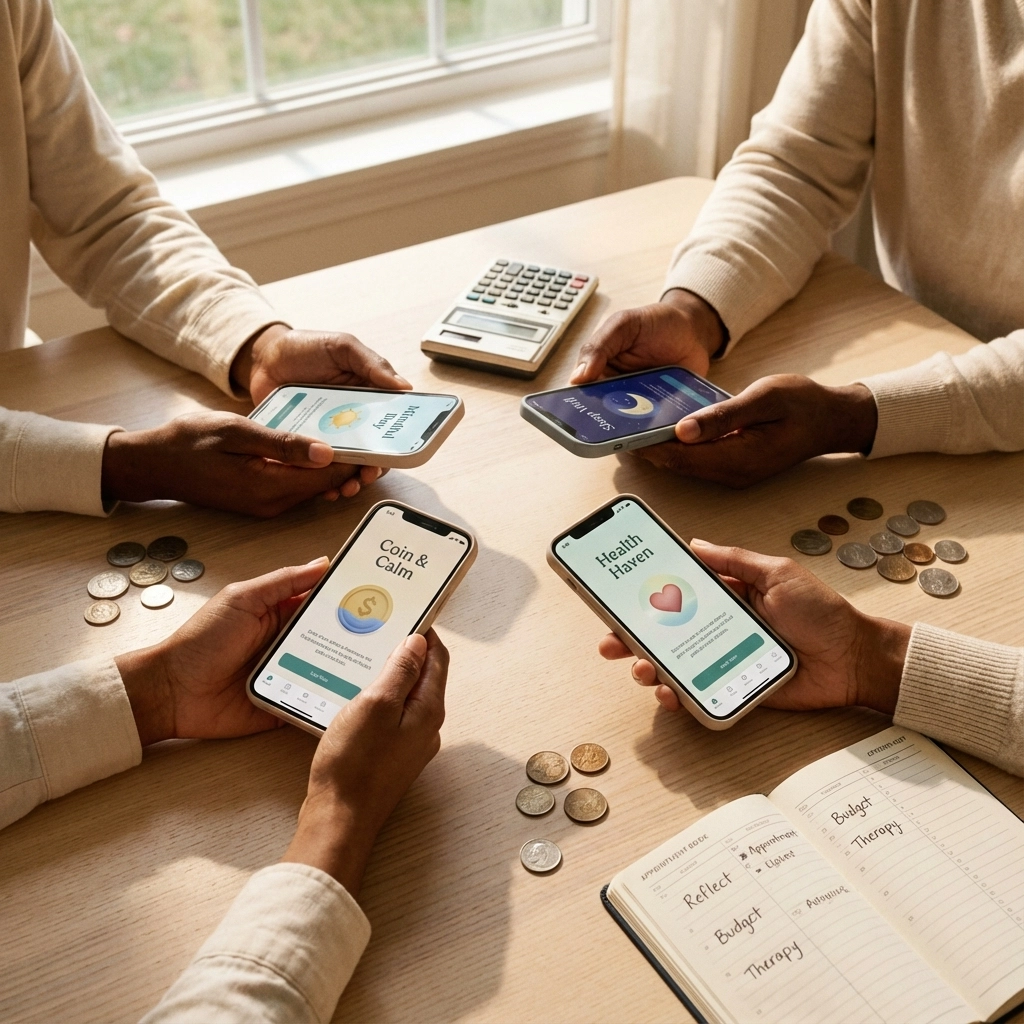
AI tools fill this accessibility gap, providing immediate support without the financial burden of additional appointments. It's not about replacing human connection — it's about having something available when you're struggling at 2 AM on a Sunday and your next appointment is still five days away.
The Therapist Matching Challenge
The therapeutic relationship doesn't always work. Despite best efforts, sometimes clients end up with therapists who haven't done their own inner work, leading to projection and ineffective sessions. When clients experience this disconnect, they naturally seek alternatives that feel safer and more neutral. AI tools, when designed thoughtfully, can provide consistent, non-judgmental support.
The Need for Continuous Support
Traditional therapy operates on a weekly or bi-weekly schedule, but emotional patterns and mental health challenges don't follow appointment calendars. Research shows that therapeutic progress can stall between sessions if clients don't have ways to practice skills or process experiences as they arise. AI tools excel at providing this continuity.
How AI Enhances Rather Than Replaces Therapy
The most promising research points toward hybrid models that combine AI's accessibility with human expertise. While AI-powered interventions showed 30–35% reductions in anxiety measures in recent studies, human therapists achieved 45–50% reductions on the same scales. This suggests AI works best as a complement, not a replacement.

Think of AI tools as the mindfulness app you use between meditation classes, or the journaling prompts that help you process between sessions. They're practice spaces, reflection tools, and bridges that maintain connection to your inner work when professional support isn't immediately available.
The Somyn Approach to Bridging Communication
Tools like Somyn become particularly valuable here. SomaGuide AI conversations can be shared with providers — either as summaries or raw data — creating a richer context for therapeutic sessions. Instead of starting each appointment with "So, how was your week?" therapists can dive deeper into patterns and insights that clients have been exploring between sessions.
Imagine arriving at your therapy appointment with a clear summary of your emotional patterns, stress responses, and moments of insight from the past two weeks. Your therapist can see what you've been working through, what techniques have been helpful, and where you might need additional support. This collaborative approach transforms AI from a separate tool into an integrated part of your therapeutic journey.
What This Means for Mental Health Providers
Embracing Collaborative Technology
The most effective approach involves providers who are curious about their clients' between-session experiences with AI tools. When clients feel safe sharing their AI conversations or insights, it creates deeper therapeutic material to explore together.

Focusing on What Humans Do Best
AI can track emotional patterns, provide coping strategies, and offer consistent availability. But it can't provide the nuanced understanding, emotional attunement, and adaptive responses that skilled therapists offer. By acknowledging what AI does well, therapists can focus more energy on the uniquely human elements of therapy: the relationship, the insight, and the complex problem-solving that requires empathy and clinical expertise.
Supporting Client Autonomy
Many clients appreciate having tools that support their agency in their own healing process. Rather than feeling dependent on weekly appointments for all emotional support, they can develop skills for self-reflection and emotional awareness that strengthen their overall resilience. When providers support this autonomy while maintaining professional boundaries, it often deepens the therapeutic relationship rather than threatening it.
Moving Forward Together
This shift toward AI-assisted mental health support isn't going away — it's accelerating. The question isn't whether clients will use these tools, but how we can make their use more beneficial and better integrated with professional care.
For clients, this means being thoughtful about which AI tools you choose and how you use them. Look for tools that emphasize mindfulness, emotional awareness, and self-compassion rather than rigid tracking or behavioral modification. For providers, this means staying curious about your clients' digital wellness practices and finding ways to incorporate their self-discoveries into your therapeutic work together.
The goal isn't to replace human connection in mental health — it's to create more opportunities for healing, reflection, and growth. When AI tools are designed with compassion and integrated thoughtfully with professional care, they can make mental health support more accessible, continuous, and effective for everyone involved.


